Trees are quiet patients; they do not complain, so it falls to us to notice. The good news is that an unhealthy tree usually looks unhealthy in ways you can learn to read, well before anything fails. Two things are worth paying attention to: the tree's overall appearance, and any growth that does not belong.
Read the whole tree's appearance
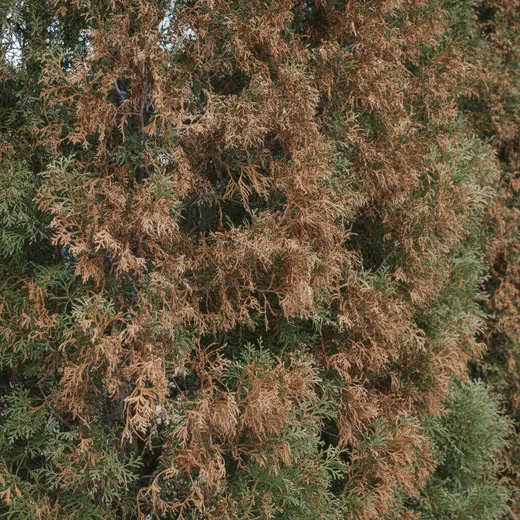
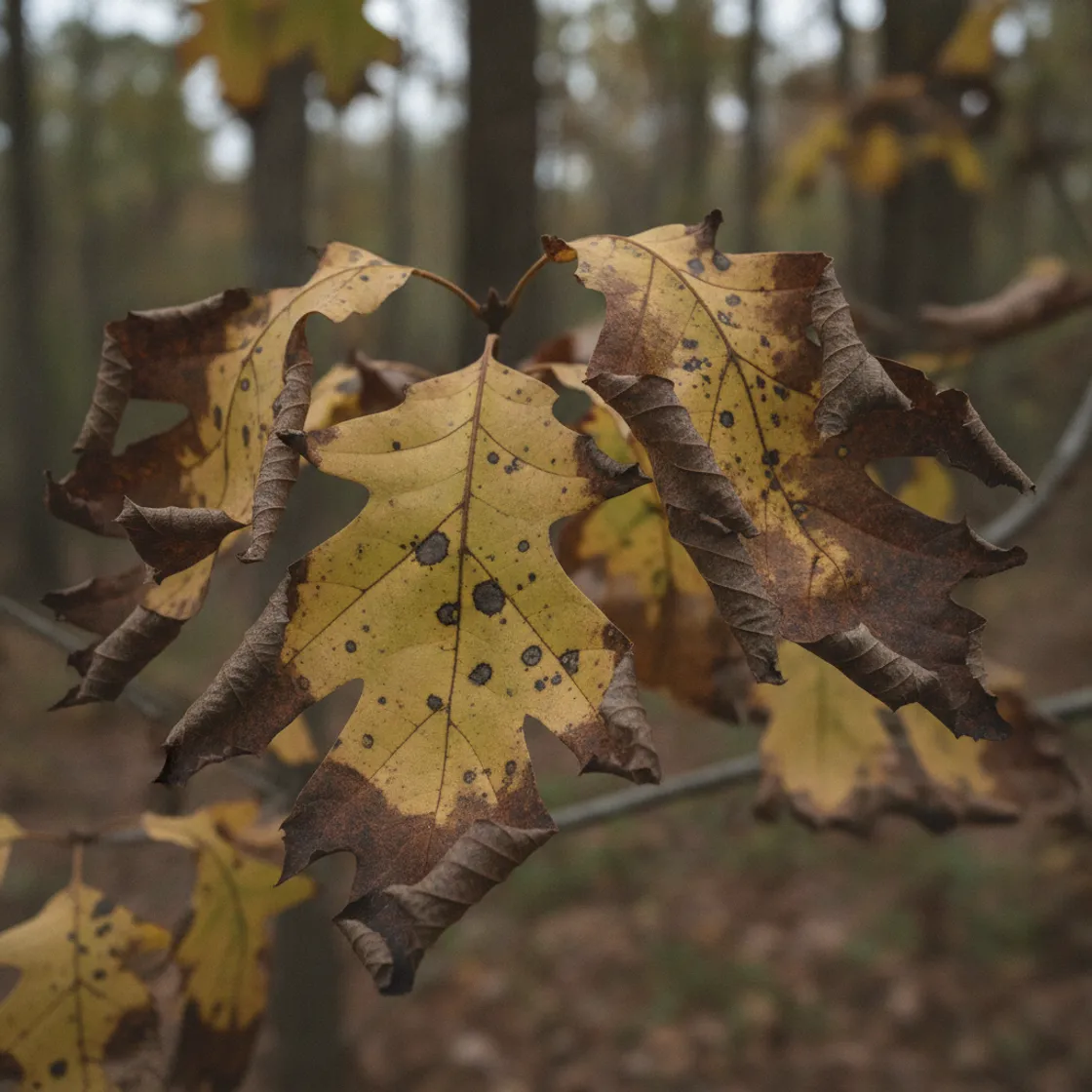
Step back and take in the tree as a whole, comparing it to a healthy example of the same kind. A healthy tree has a full, evenly leafed canopy, steady new growth each year, and sound bark. Warning signs are the opposite: a thin or patchy canopy, leaves that are undersized, discolored, or off-season, whole sections of bare branches, little or no new growth at the tips, and bark that is cracked, damaged, or falling away. A tree that looks noticeably worse than it did a year or two ago is usually telling you something real.
Watch for unusual growth
Some of the clearest health signals are growths that should not be there at all.
Keep an eye out for:
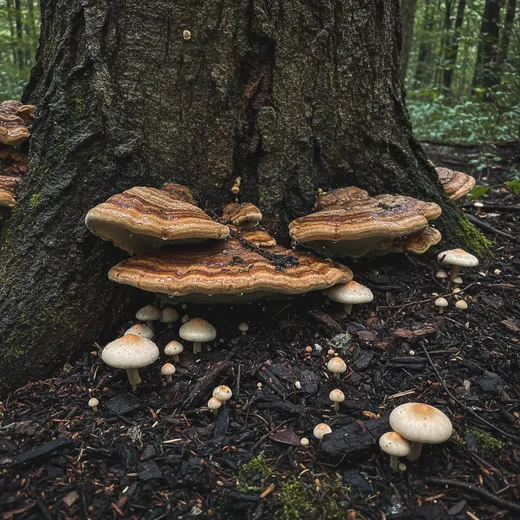
- Mushrooms or shelf fungus on the trunk, at the base, or over the roots, which usually means decay in the wood.
- Sudden clusters of shoots sprouting from the trunk or from the base, which often signal a tree under stress trying to compensate.
- Oozing, dark, or sunken patches on the bark, which can mark a canker or an infection.
- Cracks, cavities, and hollows in the trunk or major forks, which weaken the tree's structure.
None of these is automatically a death sentence, but each is the tree's way of saying something is wrong beneath the surface.
When a sick tree should come down
Many unhealthy trees can be helped: pruned to remove the diseased parts, cared for to relieve the stress, or cabled to support a weak point. The question is whether the tree can recover and be safe, or whether it has declined to the point of being a hazard. That is a judgment best made in person by someone who assesses trees for a living, because removing a sick tree that could have been saved is a loss, and keeping a dangerous one is a risk.
How Engram's Tree Service can help
We help homeowners across metro Atlanta figure out where their trees really stand. Robin, our certified arborist, does every assessment in person and tells you whether a tree can be saved with pruning and care or is safest removed. If a tree has you wondering, reach out for a free estimate and we will take a careful look.